


TestEasy
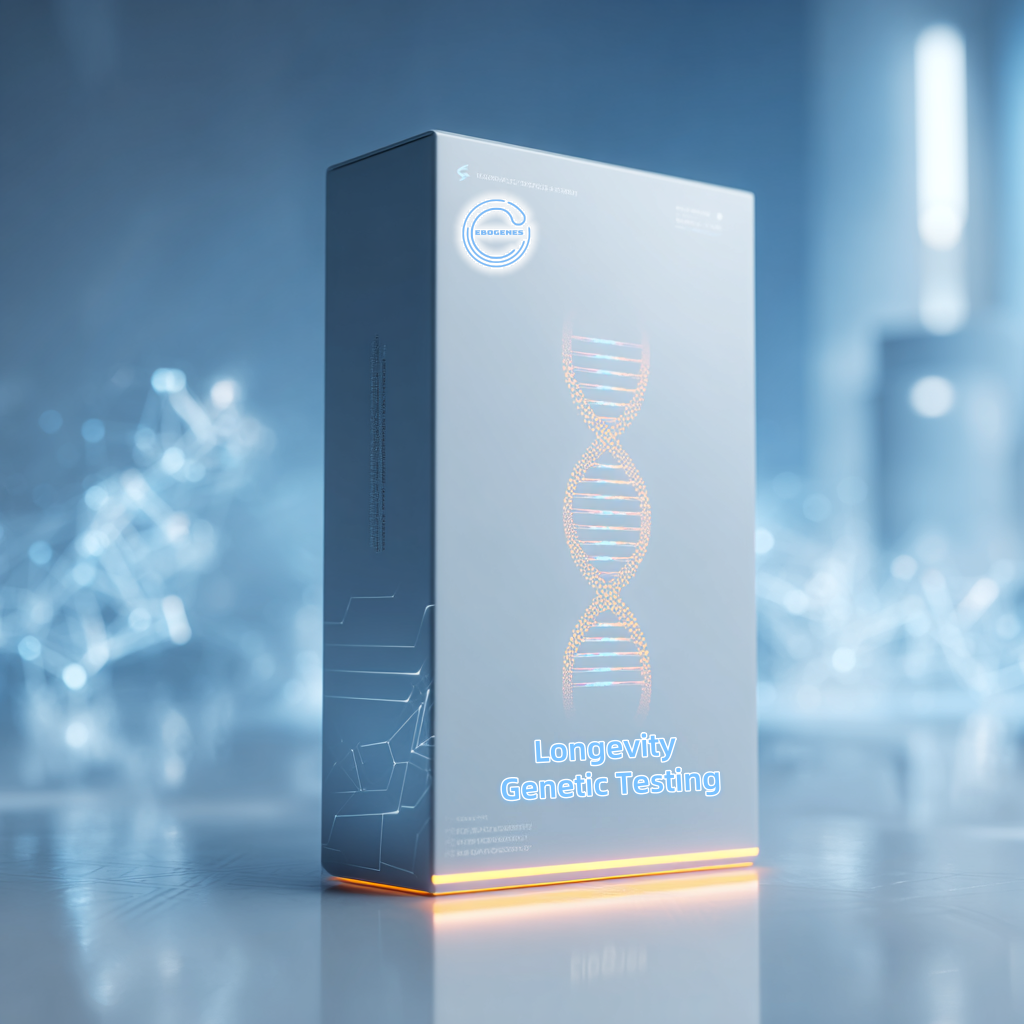
长寿基因检测
长寿基因检测
无法加载取货服务可用情况
1.摘要
衰老是一个复杂的生物过程,受遗传、环境和生活方式等多种因素的影响。长寿基因检测可以揭示与细胞衰老、氧化应激、DNA修复和炎症相关的遗传倾向,而这些正是我们衰老的关键因素。通过了解这些基因标记,个人可以做出积极的选择,延缓衰老相关的衰退,保持活力,并制定个性化的长寿策略。
2. 背景
为什么有些人看起来优雅地老去,而另一些人却早早地出现了衰老的迹象?答案往往源于基因差异,这些差异会影响我们身体应对压力、修复细胞损伤和维持代谢平衡的方式。衰老不仅仅关乎寿命,还关乎你的身体如何随着时间的推移保持自身状态。
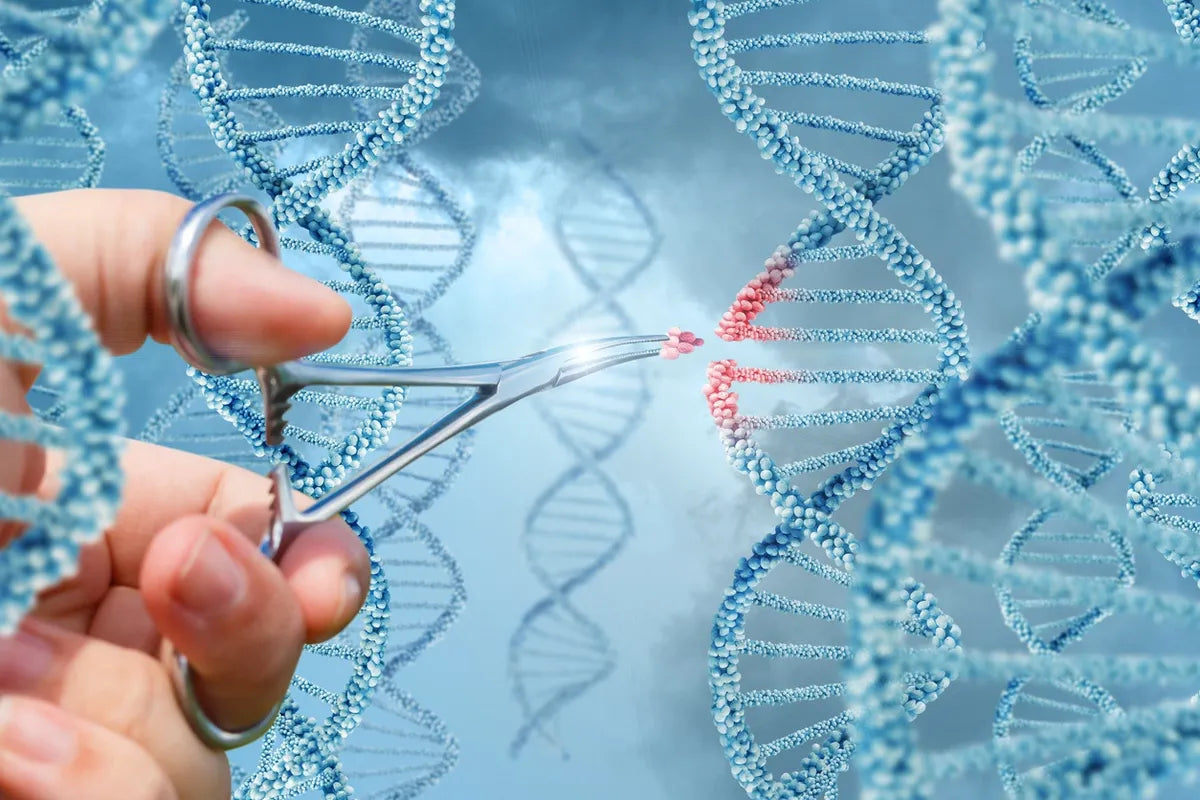
基因检测有助于识别调控衰老相关通路(例如端粒维护、线粒体功能和解毒)的基因变异。虽然我们无法改变基因,但了解您的生物衰老特征可以让您实施针对您独特基因蓝图的特定干预措施——从富含抗氧化剂的饮食到减压策略——从而延长您的健康寿命。
3.技术概述
- SNP分析:本检测分析与氧化应激反应(例如SOD2、GPX1)、胶原合成(例如MMP1、COL1A1)和炎症控制(例如IL6、TNF)相关的关键单核苷酸多态性(SNP)。这些变异基于科学文献和基因组数据库,被映射到与衰老相关的通路上。
- 生物年龄指标:遗传见解与反映生物年龄与实际年龄的生物标志物相结合,有助于评估您的身体与人口平均水平相比衰老的速度。
- 长寿相关基因:在人口研究中,对 FOXO3、SIRT1 和 APOE 等基因进行分析,以确定它们与健康衰老、DNA 修复能力和延长寿命之间的已知关联。
4. 主要发现
- 氧化应激反应:SOD2 和 GPX1 等基因变异会降低人体中和自由基的能力,加速细胞损伤和衰老。患有这些变异的个体可能受益于有针对性的抗氧化支持和生活方式的调整。
- 胶原蛋白与皮肤老化:胶原蛋白相关基因(例如 COL1A1)的突变会导致皮肤更早出现老化迹象,例如皱纹或弹性丧失。个性化的护肤和营养策略可以缓解这些影响。
- 炎症控制:炎症基因变异(例如 IL6、TNF-α)可能使个体易患慢性炎症——一种已知的衰老加速因子。了解这些风险可以指导抗炎饮食和监测。
5. 应用
- 个性化长寿计划:利用基因洞察创建个性化计划,其中包括抗氧化疗法、线粒体支持补充剂以及针对您的基因构成设计的抗衰老护肤品或营养保健品。
- 减缓衰老过程:在身体出现衰老迹象之前,识别并管理加速衰老的可改变风险因素,例如氧化应激、慢性炎症或排毒功能受损。
- 预防性健康与保健:尽早意识到与衰老相关的风险,实施以锻炼、睡眠、皮肤健康和认知支持为重点的健康干预措施,以优化活力并延缓与年龄相关的衰退。
All 6.4 billion letters of your DNA — read, stored, and yours to keep.
Most consumer DNA tests sample a few hundred thousand positions. Whole genome sequencing reads the entire thing at 30× depth, and hands you the files at the end. No subscription required to keep them.
-
30×
average
coverage depth -
6.4B
base pairs
sequenced -
FASTQ
BAM & VCF
files included
How it runs
Kit arrives
Day 0,Saliva collection takes about five minutes. Avoid eating, drinking, or brushing your teeth for thirty minutes beforehand — that's the only preparation required.
Sample ships back
Day 1–2, Prepaid return envelope is included. Saliva samples are stable at room temperature, so there's no cold chain to manage on your end.
DNA extraction and quality check
Week 1,We extract and assess DNA quality before sequencing. If a sample fails QC, we send a replacement kit at no charge rather than sequencing something that won't yield reliable calls.
Sequencing and analysis
Week 2–6,Sequencing, alignment to GRCh38, and variant calling. This is the longest stage and we'd rather state it accurately than quote a number we miss.
Reports and files released
Week 2–6, Your reports and all three file formats become available together. You'll get an email the moment they're ready.

No. Ebogenes whole genome sequencing is offered for research and personal informational use. It is not a diagnostic test, it is not a substitute for clinical genetic testing, and it should not be used to make medical decisions on its own. If a finding concerns you, bring it to a physician or a certified genetic counsellor — that's what the files are for.

Each position in your genome is read approximately thirty times on average. Sequencing makes errors, so reading a position once tells you little; reading it thirty times lets a variant call rest on consensus. 30× is the widely used standard for reliable variant calling — below it, calls get noticeably less dependable.
Our reports flag findings for follow-up; they do not diagnose. A variant of uncertain significance is a flag, not a finding — many are later reclassified as benign. We'd rather tell you plainly that something needs a professional look than dress up an uncertain result as an answer.

Sequencing and storage happen at our Laval, Québec facility. Your data stays in Canada and is subject to Canadian privacy law. We do not sell your genetic data, and we do not share it with insurers, employers, or research programmes without your explicit, separate consent. You can request deletion at any time.

No. Your reports and all three file formats remain accessible without any ongoing payment. Download them and store your own copy if you prefer — that's the point of giving you FASTQ.