


TestEasy
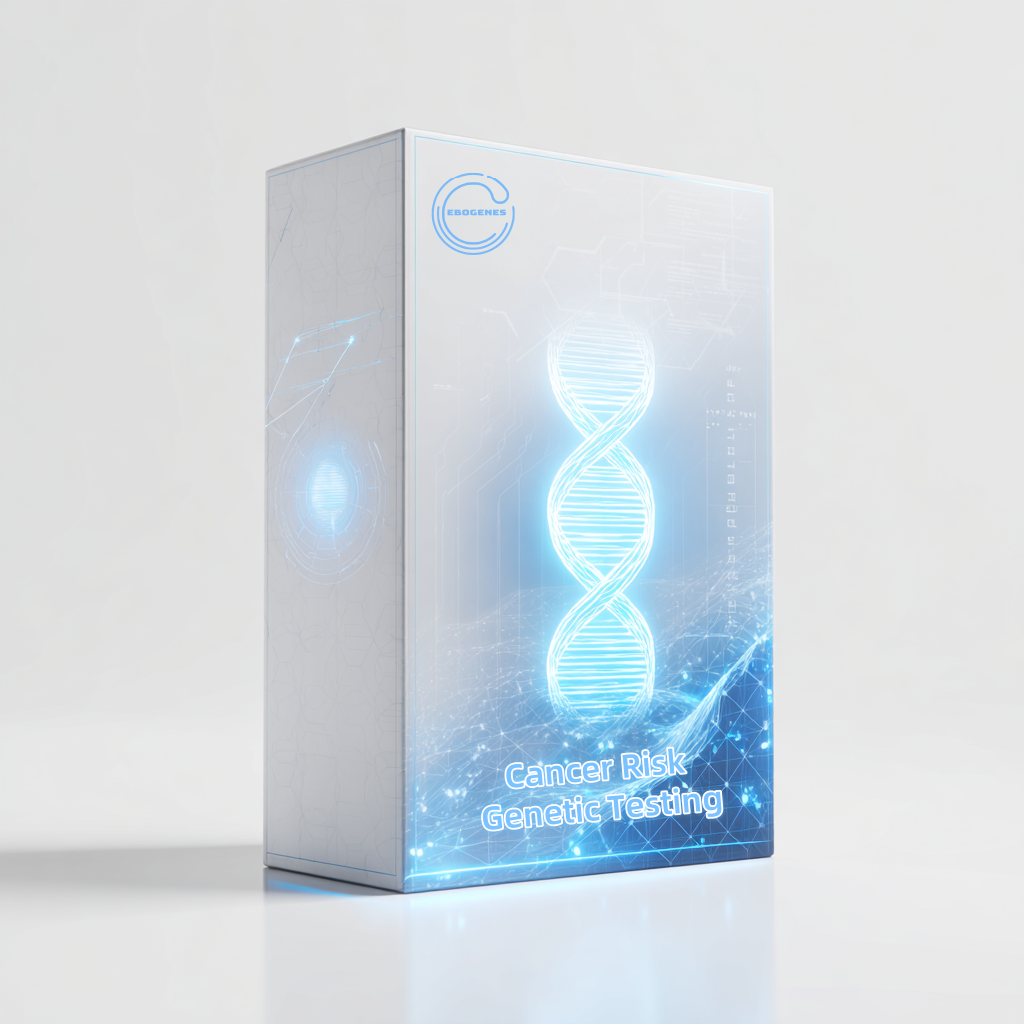
Cancer Risk Genetic Testing
Cancer Risk Genetic Testing
Couldn't load pickup availability
Abstract
Understanding your genetic predisposition to health risks is a powerful tool for prevention and personalized healthcare. Genetic analysis can uncover insights into your likelihood of developing cancer.
Applications
- Cancer Risk: Mutations in genes like BRCA1 and BRCA2 significantly increase the risk of breast and ovarian cancers. Women with these gene mutations may opt for increased cancer screenings or even preventive surgeries to lower their risk.
- Early Detection: Genetic testing can identify your predisposition to diseases long before symptoms appear. Early detection allows for timely interventions, such as increasing screening frequency or making dietary and exercise adjustments, to catch potential problems before they become serious.
- Targeted Therapies: For diseases like cancer, where specific gene mutations are involved, targeted therapies can be used to directly address the genetic abnormalities, leading to more effective treatment outcomes. For example, women with BRCA mutations may be eligible for targeted cancer therapies designed for those specific mutations.
Test details:
With up to 523 genes tested, our multi-cancer screening evaluates genes linked to an increased risk of cancers that typically develop in adults and are not associated with specific syndromes. This test covers a range of organ systems, including but not limited to the breasts, reproductive organs (ovarian, uterine/endometrial), gastrointestinal tract (colorectal, gastric, pancreatic), endocrine system (thyroid, parathyroid, pituitary, adrenal glands), urinary system (renal/urinary tract, prostate), skin (melanoma, basal cell carcinoma), and the brain/nervous system. Due to the genetic complexity of these cancers, relying solely on physical symptoms to identify a cause can be challenging. Additionally, some of the genes analyzed may be linked to other unrelated conditions, which are not part of this screening. By detecting germline mutations, our test can support a clinical cancer diagnosis, offer insights into the likely course and outcome of the disease, enable earlier symptom identification, guide decisions about family planning and genetic counseling, and identify eligibility for clinical research studies. This test is not suitable for identifying somatic mutations in tumor samples.
All 6.4 billion letters of your DNA — read, stored, and yours to keep.
Most consumer DNA tests sample a few hundred thousand positions. Whole genome sequencing reads the entire thing at 30× depth, and hands you the files at the end. No subscription required to keep them.
-
30×
average
coverage depth -
6.4B
base pairs
sequenced -
FASTQ
BAM & VCF
files included
How it runs
Kit arrives
Day 0,Saliva collection takes about five minutes. Avoid eating, drinking, or brushing your teeth for thirty minutes beforehand — that's the only preparation required.
Sample ships back
Day 1–2, Prepaid return envelope is included. Saliva samples are stable at room temperature, so there's no cold chain to manage on your end.
DNA extraction and quality check
Week 1,We extract and assess DNA quality before sequencing. If a sample fails QC, we send a replacement kit at no charge rather than sequencing something that won't yield reliable calls.
Sequencing and analysis
Week 2–6,Sequencing, alignment to GRCh38, and variant calling. This is the longest stage and we'd rather state it accurately than quote a number we miss.
Reports and files released
Week 2–6, Your reports and all three file formats become available together. You'll get an email the moment they're ready.

No. Ebogenes whole genome sequencing is offered for research and personal informational use. It is not a diagnostic test, it is not a substitute for clinical genetic testing, and it should not be used to make medical decisions on its own. If a finding concerns you, bring it to a physician or a certified genetic counsellor — that's what the files are for.

Each position in your genome is read approximately thirty times on average. Sequencing makes errors, so reading a position once tells you little; reading it thirty times lets a variant call rest on consensus. 30× is the widely used standard for reliable variant calling — below it, calls get noticeably less dependable.
Our reports flag findings for follow-up; they do not diagnose. A variant of uncertain significance is a flag, not a finding — many are later reclassified as benign. We'd rather tell you plainly that something needs a professional look than dress up an uncertain result as an answer.

Sequencing and storage happen at our Laval, Québec facility. Your data stays in Canada and is subject to Canadian privacy law. We do not sell your genetic data, and we do not share it with insurers, employers, or research programmes without your explicit, separate consent. You can request deletion at any time.

No. Your reports and all three file formats remain accessible without any ongoing payment. Download them and store your own copy if you prefer — that's the point of giving you FASTQ.