


TestEasy
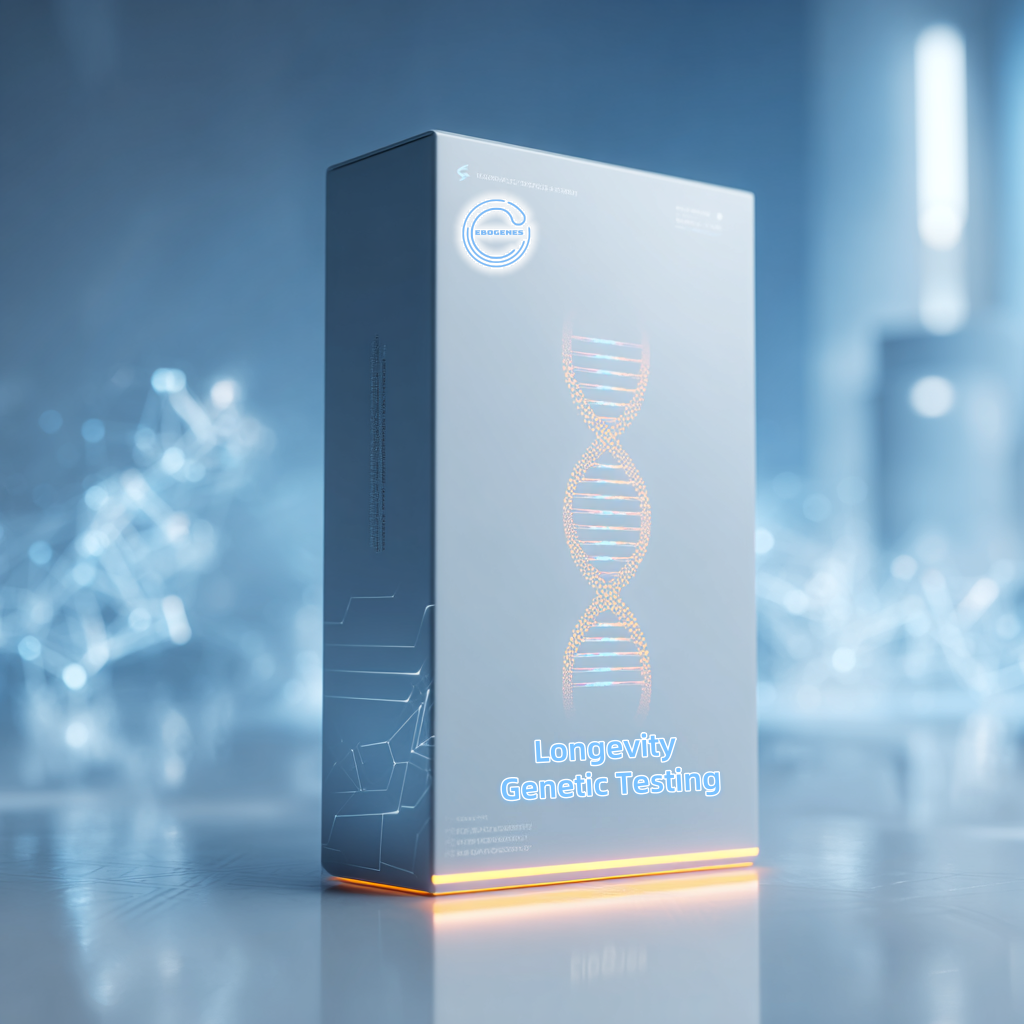
Longevity Genetic Testing
Longevity Genetic Testing
Couldn't load pickup availability
1. Abstract
Aging is a complex biological process influenced by a combination of genetic, environmental, and lifestyle factors. Longevity genetic testing uncovers your genetic predispositions related to cellular aging, oxidative stress, DNA repair, and inflammation—key factors in how we age. By understanding these genetic markers, individuals can make proactive choices to delay aging-related decline, maintain vitality, and personalize longevity strategies.
2. Background
Why do some people appear to age gracefully while others experience early signs of decline? The answer is often rooted in genetic differences that affect how our bodies respond to stress, repair cellular damage, and maintain metabolic balance. Aging is not just about years lived—it’s about how well your body sustains itself over time.
Genetic testing helps identify variations in genes that regulate aging-related pathways such as telomere maintenance, mitochondrial function, and detoxification. While we cannot change our genes, knowing your biological aging profile allows you to implement specific interventions—from antioxidant-rich diets to stress-reduction strategies—that target your unique genetic blueprint and enhance your healthspan.
3. Technology Overview
- SNP Analysis: This test analyzes key Single Nucleotide Polymorphisms (SNPs) involved in oxidative stress response (e.g., SOD2, GPX1), collagen synthesis (e.g., MMP1, COL1A1), and inflammatory control (e.g., IL6, TNF). These variants are mapped to aging-relevant pathways based on scientific literature and genomic databases.
- Biological Age Indicators: Genetic insights are paired with biomarkers that reflect biological age vs. chronological age, helping assess how quickly your body is aging compared to the population average.
- Longevity-Associated Genes: Genes such as FOXO3, SIRT1, and APOE are analyzed for their known associations with healthy aging, DNA repair capacity, and lifespan extension in population studies.
4. Key Findings
- Oxidative Stress Response: Variants in genes like SOD2 and GPX1 can reduce the body’s ability to neutralize free radicals, accelerating cellular damage and aging. Individuals with these variants may benefit from targeted antioxidant support and lifestyle adjustments.
- Collagen & Skin Aging: Mutations in collagen-related genes (e.g., COL1A1) can lead to earlier signs of skin aging, such as wrinkles or loss of elasticity. Personalized skincare and nutrient strategies can mitigate these effects.
- Inflammation Control: Inflammatory gene variants (e.g., IL6, TNF-alpha) may predispose individuals to chronic inflammation—a known accelerator of aging. Understanding these risks can guide anti-inflammatory diets and monitoring.
5. Applications
- Personalized Longevity Planning: Use genetic insights to create a personalized plan that includes antioxidant therapies, mitochondrial support supplements, and anti-aging skincare or nutraceuticals designed for your genetic makeup.
- Slowing the Aging Process: Identify and manage modifiable risk factors that accelerate aging—such as oxidative stress, chronic inflammation, or impaired detoxification—before physical signs appear.
- Preventive Health & Wellness: With early awareness of your aging-related risks, implement wellness interventions focused on exercise, sleep, skin health, and cognitive support to optimize vitality and delay age-related decline.

All 6.4 billion letters of your DNA — read, stored, and yours to keep.
Most consumer DNA tests sample a few hundred thousand positions. Whole genome sequencing reads the entire thing at 30× depth, and hands you the files at the end. No subscription required to keep them.
-
30×
average
coverage depth -
6.4B
base pairs
sequenced -
FASTQ
BAM & VCF
files included
How it runs
Kit arrives
Day 0,Saliva collection takes about five minutes. Avoid eating, drinking, or brushing your teeth for thirty minutes beforehand — that's the only preparation required.
Sample ships back
Day 1–2, Prepaid return envelope is included. Saliva samples are stable at room temperature, so there's no cold chain to manage on your end.
DNA extraction and quality check
Week 1,We extract and assess DNA quality before sequencing. If a sample fails QC, we send a replacement kit at no charge rather than sequencing something that won't yield reliable calls.
Sequencing and analysis
Week 2–6,Sequencing, alignment to GRCh38, and variant calling. This is the longest stage and we'd rather state it accurately than quote a number we miss.
Reports and files released
Week 2–6, Your reports and all three file formats become available together. You'll get an email the moment they're ready.

No. Ebogenes whole genome sequencing is offered for research and personal informational use. It is not a diagnostic test, it is not a substitute for clinical genetic testing, and it should not be used to make medical decisions on its own. If a finding concerns you, bring it to a physician or a certified genetic counsellor — that's what the files are for.

Each position in your genome is read approximately thirty times on average. Sequencing makes errors, so reading a position once tells you little; reading it thirty times lets a variant call rest on consensus. 30× is the widely used standard for reliable variant calling — below it, calls get noticeably less dependable.
Our reports flag findings for follow-up; they do not diagnose. A variant of uncertain significance is a flag, not a finding — many are later reclassified as benign. We'd rather tell you plainly that something needs a professional look than dress up an uncertain result as an answer.

Sequencing and storage happen at our Laval, Québec facility. Your data stays in Canada and is subject to Canadian privacy law. We do not sell your genetic data, and we do not share it with insurers, employers, or research programmes without your explicit, separate consent. You can request deletion at any time.

No. Your reports and all three file formats remain accessible without any ongoing payment. Download them and store your own copy if you prefer — that's the point of giving you FASTQ.